
Strategy guide
James Bond Strategy
Fixed three-part coverage: high numbers, a 13–18 six-line, and zero insurance.
Best for: Players who want a memorable flat multi-bet package instead of a progression
Overview
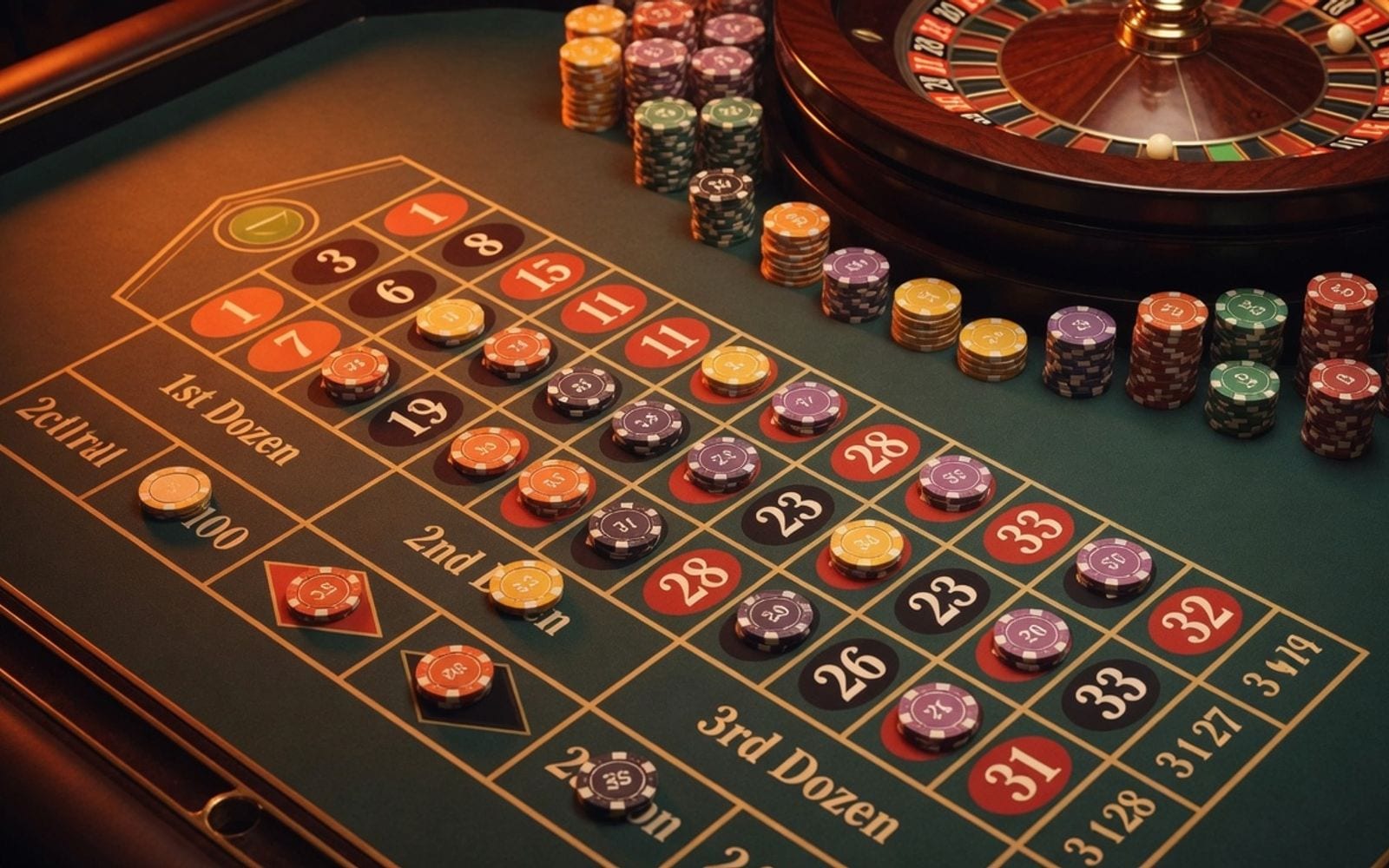
The James Bond system is a flat combination bet popularized by fiction (Casino Royale), not a loss-chasing progression. The classic package is 200 units split as 140 on high numbers 19–36, 50 on the 13–18 six-line (double street), and 10 straight-up on zero.
On a European single-zero wheel that layout covers 25 of 37 pockets (about 67.6%). Numbers 1–12 are left completely open and produce a full package loss when they hit.
Each sector pays differently: high numbers drive frequent modest nets, the six-line pays a larger unit profit when 13–18 hits, and zero can produce the best net of the three. Scale the 14/5/1 ratio to any budget.
House edge is unchanged by the pattern. European even-money portions still carry about 2.70% edge (roughly 1.35% only when French La Partage or En Prison applies to even-money bets); American double-zero wheels are about 5.26%. Coverage only reshapes variance.
Because the stake stays constant each spin, risk feels different from Martingale-style doubles — but long-run expectation remains negative on fair casino wheels.
Visual progression
*1–12 typically uncovered in the classic Bond layout.
How it works
- Choose a package size that keeps the 14 : 5 : 1 ratio. Classic is 140 / 50 / 10 (200 total); a common table size is 14 / 5 / 1 (20 total).
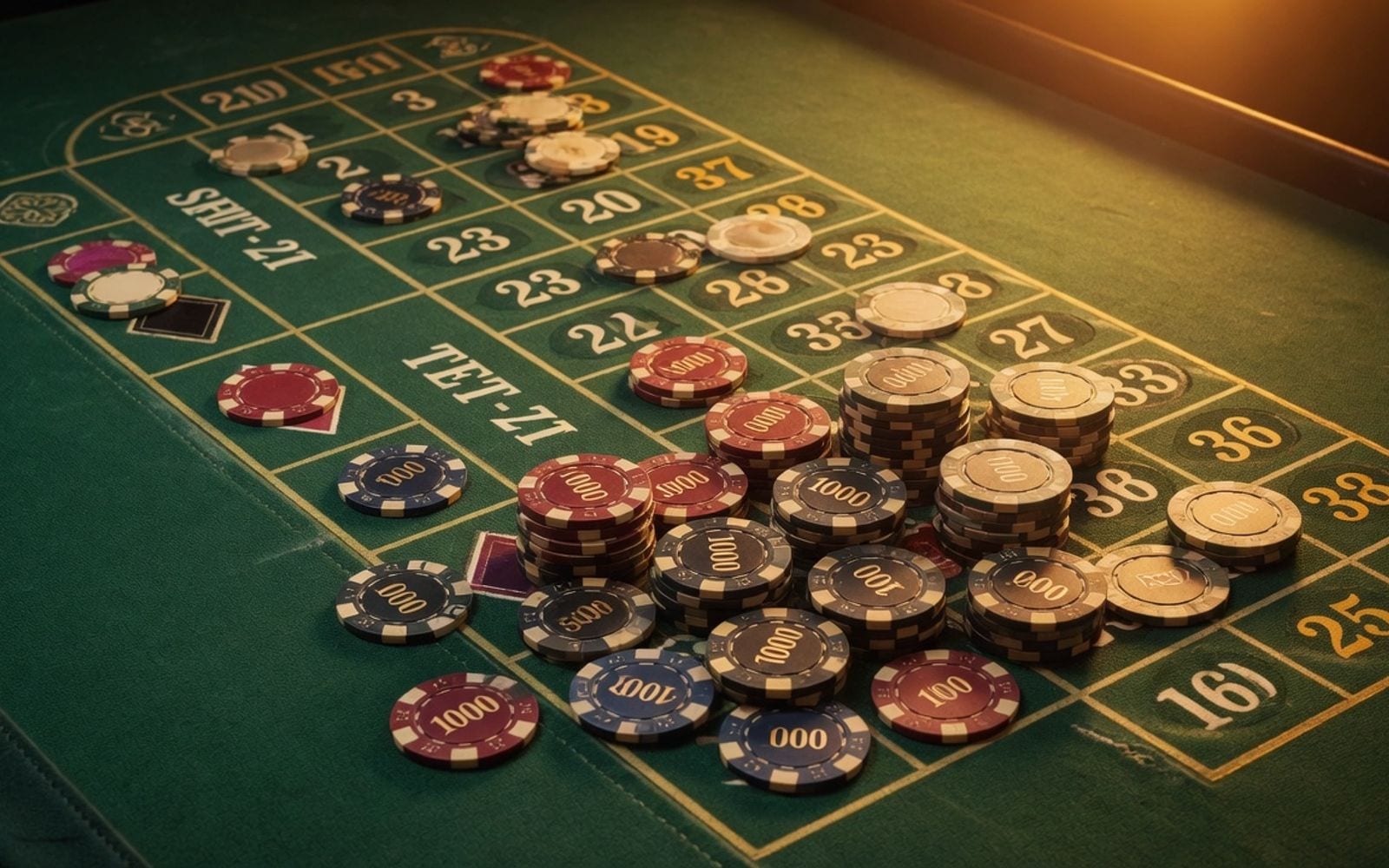
- Each spin place three bets together: even-money high (19–36), the six-line covering 13–14–15–16–17–18, and a straight-up on 0. On American wheels some players split the zero chip across 0 and 00.
- Resolve the package as one net result. If 19–36 hits, the high bet pays 1:1 while the six-line and zero lose. If 13–18 hits, the six-line pays 5:1 while high and zero lose. If 0 hits, zero pays 35:1 while the other two lose.
- Numbers 1–12 are outside classic coverage: all three bets lose and you forfeit the full package.
- Repeat the same package every spin (flat coverage). There is no mandatory raise after a loss or win unless you add a separate, written progression rule.
- Prefer European or French single-zero tables. The same layout on American double-zero covers 25 of 38 pockets and faces a higher edge.
- Stop by spin count, time, or package-loss budget — not by chasing one more package after a low-dozen miss.
- Optional variants swap high for low (1–18) and move the six-line, but the educational classic is always 19–36 + 13–18 + 0.
Scaled 20-unit James Bond package (European wheel)
- Place $14 on 19–36, $5 on the 13–18 six-line, and $1 on 0 (total $20).
- Spin lands 27 (high): high pays +$14; six-line and zero lose $6. Net +$8 for the spin.
- Spin lands 15 (six-line): six-line profit is $25; high and zero lose $15. Net +$10.
- Spin lands 0: zero profit is $35; high and six-line lose $19. Net +$16.
- Spin lands 7 (low dozen): all three bets lose. Net −$20.
- Same ratios at 200 units: nets become +$80 / +$100 / +$160 / −$200 for those four outcomes.
Pros
- No progression bookkeeping — same package every spin
- Covers 25 European numbers for frequent something-hit feedback
- Easy to scale with a simple 14/5/1 ratio
- Zero chip softens the classic house green outcome versus pure high-only bets
- Clear sector map: highs, mid six-line, and green insurance
Cons
- Leaves 1–12 fully uncovered — a short low-dozen streak can erase many small wins
- Requires three simultaneous placements every spin
- Does not reduce European ~2.70% or American ~5.26% house edge
- Package cost is higher than a single even-money chip of the same unit feeling
- American 00 needs an extra decision and worsens coverage and edge
Bankroll & table limits
- Budget for several full package losses in a row. At $20 per spin, a 25–50 package cushion is $500–$1,000 before variance feels comfortable.
- Keep the unit small enough that a 1–12 miss is boring, not session-ending. If −$200 hurts, do not use the classic 200-unit telling.
- Session rule of thumb: risk only 1–2% of total gambling bankroll on a single package, and cap the session at a fixed number of packages.
- Even-money high portion still faces standard edge; La Partage (when offered) can cut the edge on that portion only — it does not fix six-line or zero bets.
Common mistakes
- Treating Bond as safe because coverage is high — open lows still wipe the full stake
- Changing the ratio mid-session (for example overloading zero) without recalculating nets
- Playing American double-zero without adjusting for 00 and the ~5.26% edge
- Stacking Martingale on top of the package and exploding an already multi-bet stake
FAQ
How many numbers does James Bond cover?
The classic layout covers 25 numbers on a European wheel: 18 highs (19–36), six mids (13–18), and zero. Twelve lows (1–12) are open. On American wheels the same chips cover 25 of 38 pockets if you only bet one green.
What is the classic unit split?
70% on 19–36, 25% on the 13–18 six-line, and 5% on zero — commonly 140/50/10 or the scaled 14/5/1 package.
Does James Bond beat the house edge?
No. It only redistributes outcomes across three bet types. European packages still expect about 2.70% loss on money wagered over time (about 5.26% on typical American double-zero).
Is this a progression system?
No. In pure form every spin uses the same package size. Raising after losses is a hybrid you must define separately — and it inherits progression blow-up risk.
Should I use James Bond on French tables?
Single-zero French/European tables are better than American. La Partage or En Prison, when available, only softens even-money portions (your high bet), not the six-line or zero chip.
Compare with other systems
- RomanovskySimilarMedium · Intermediate
Another flat coverage package — higher hit rate (32 numbers) with thinner unit wins.
- Flat BettingAlternativeLow · Beginner
Same-stake discipline without juggling three bet types each spin.
- KavourasVariantHigh · Advanced
Mixed inside package (~20 numbers) instead of high + six-line + zero.
- 666 StrategySimilarHigh · Advanced
Much heavier near-full coverage at a 66-unit spin cost.
- MartingaleOpposite approachVery High · Beginner
Loss-doubling progression on one even-money bet versus Bond's flat multi-bet map.